
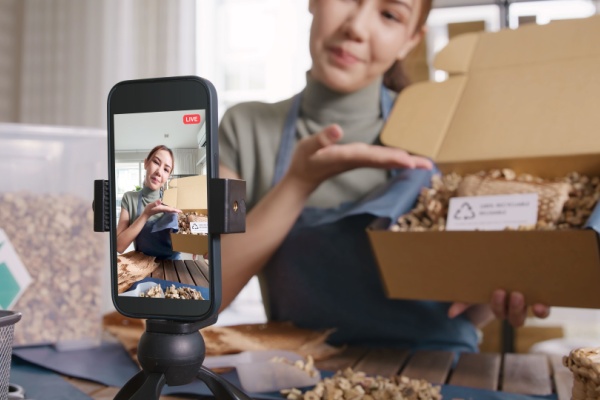
Influencer marketing has evolved from a passing trend into one of the most powerful pillars of digital marketing. Whether you're a startup looking to make noise or an established brand aiming to build trust and authenticity, influencers can be a game-changer.
In this guide, we'll break down everything you need to know about influencer marketing – from the different types of influencers and platforms, to strategy development and key performance metrics.
What Is Influencer Marketing?
Influencer marketing is a form of collaboration between a brand and an individual (influencer) who has the power to influence the purchasing decisions or opinions of a specific audience. The influencer promotes the brand’s products or services through their own content, voice, and channels.
In essence, it turns word of mouth into a structured and measurable marketing strategy.
Why Invest in Influencer Marketing?
- Authenticity: People trust recommendations from those they follow and admire.
- Direct Reach: Your message reaches the right audience in a natural, relatable way.
- Strong ROI: Influencer campaigns often deliver better return on investment than traditional ads.
- Awareness & Engagement: Perfect for increasing brand recognition and community interaction.
Types of Influencers
Not all influencers are created equal. They are typically categorized based on their number of followers:
- Nano-influencers (1K – 10K followers)
Highly niche, strong personal connection with their audience, high engagement. - Micro-influencers (10K – 100K followers)
Targeted audience, cost-effective with quality interactions. - Macro-influencers (100K – 1M followers)
Great for reach and exposure, often professional content creators. - Mega-influencers (1M+ followers)
Celebrities or social media stars with huge audiences and wide visibility.
Influencer Marketing Platforms
Choosing the right platform depends on your audience and type of content:
- Instagram: Ideal for visual content, fashion, beauty, lifestyle.
- TikTok: Viral potential, especially for Gen Z audiences and trend-driven content.
- YouTube: Great for long-form videos and detailed product reviews.
- LinkedIn: B2B marketing, thought leadership and professional content.
- Twitter/X & Facebook: Still useful for awareness and community engagement.
How to Build an Influencer Marketing Strategy
- Define your goals (brand awareness, sales, engagement, conversions, etc.)
- Understand your audience
- Identify the right influencers – look beyond follower counts; focus on alignment, values, tone, and relevance.
- Design the campaign (content formats, creative direction, CTAs, hashtags, timelines)
- Set clear KPIs (Reach, Engagement Rate, CTR, Conversions)
- Allow creative freedom – influencers know their audience better than anyone.
- Track, measure & optimize – treat this like a data-driven process, not just a one-off collaboration.
Common Mistakes to Avoid
- Focusing only on follower count
- Lack of clear objectives
- Overly scripted content – audiences can sense inauthenticity
- Poor brand-influencer fit (e.g., mismatch in tone, values, audience)
Final Thoughts
Influencer marketing isn’t just about getting a celebrity to post your product. It's a strategic form of communication that, when done right, can skyrocket your brand's visibility and credibility.
At our agency, we create and manage tailor-made influencer campaigns that align with your business goals and audience. Whether you're aiming for brand awareness, community growth, or conversions – we help you build meaningful, authentic partnerships that deliver results.